
Meet the miller behind our flour
Our wheat and rye come from a small stone mill less than an hour away. We spent a morning there during harvest.
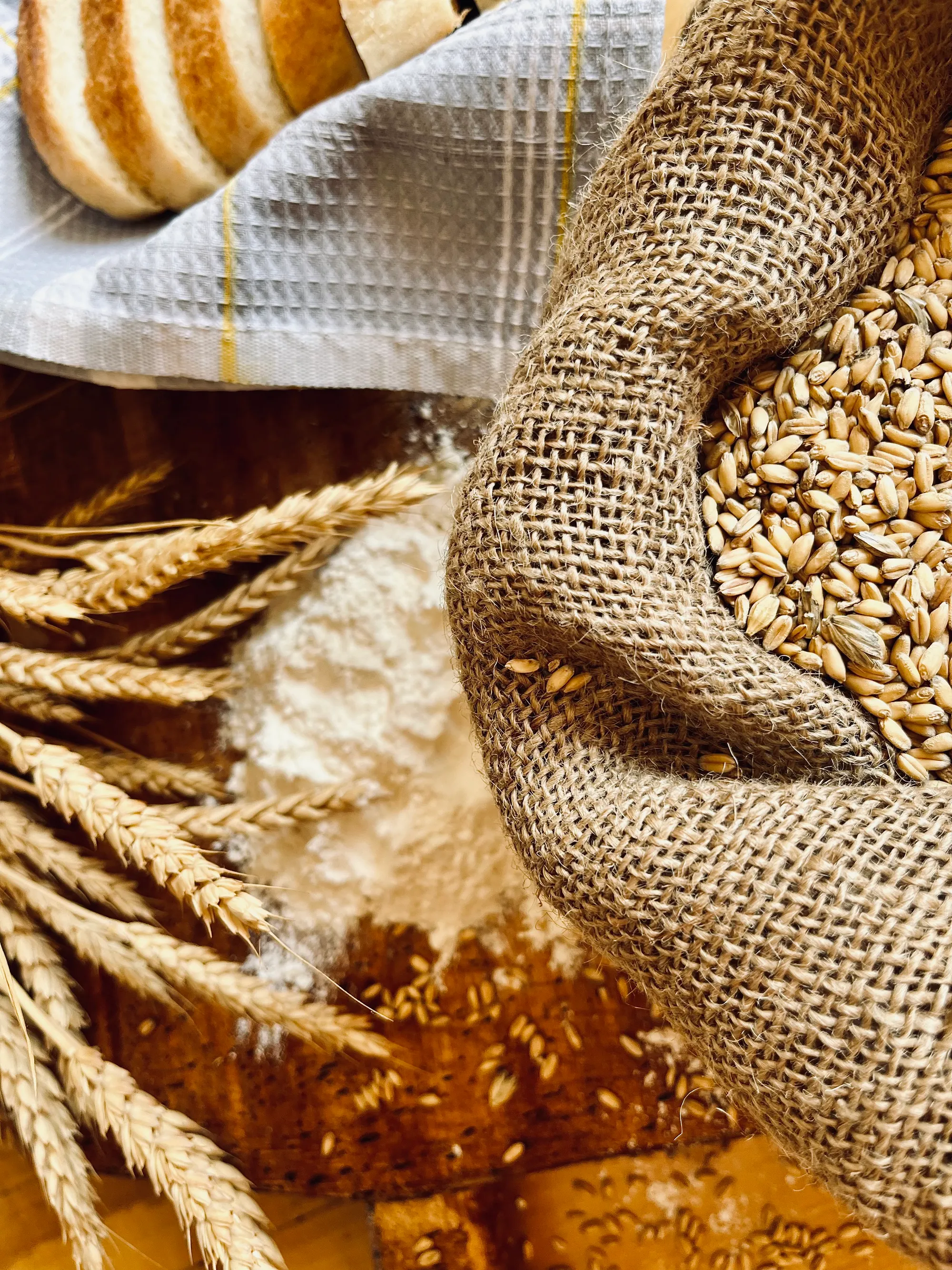
Every two weeks a van arrives with paper sacks of flour that were grain in a field a few months before. The mill that grinds it runs two stones and works with a handful of farms nearby.
Why stone milling
Stone milling keeps more of the germ and bran in the flour. It behaves differently from industrial flour: it drinks more water, ferments faster and tastes of something. We adjust our recipes with each new delivery.
Heritage grains
Alongside modern wheat, the mill grows and grinds older varieties with lower yields and deeper flavour. We use them in our seeded rye and in a small weekend loaf that sells out every Saturday.
Keep reading
More from the journal
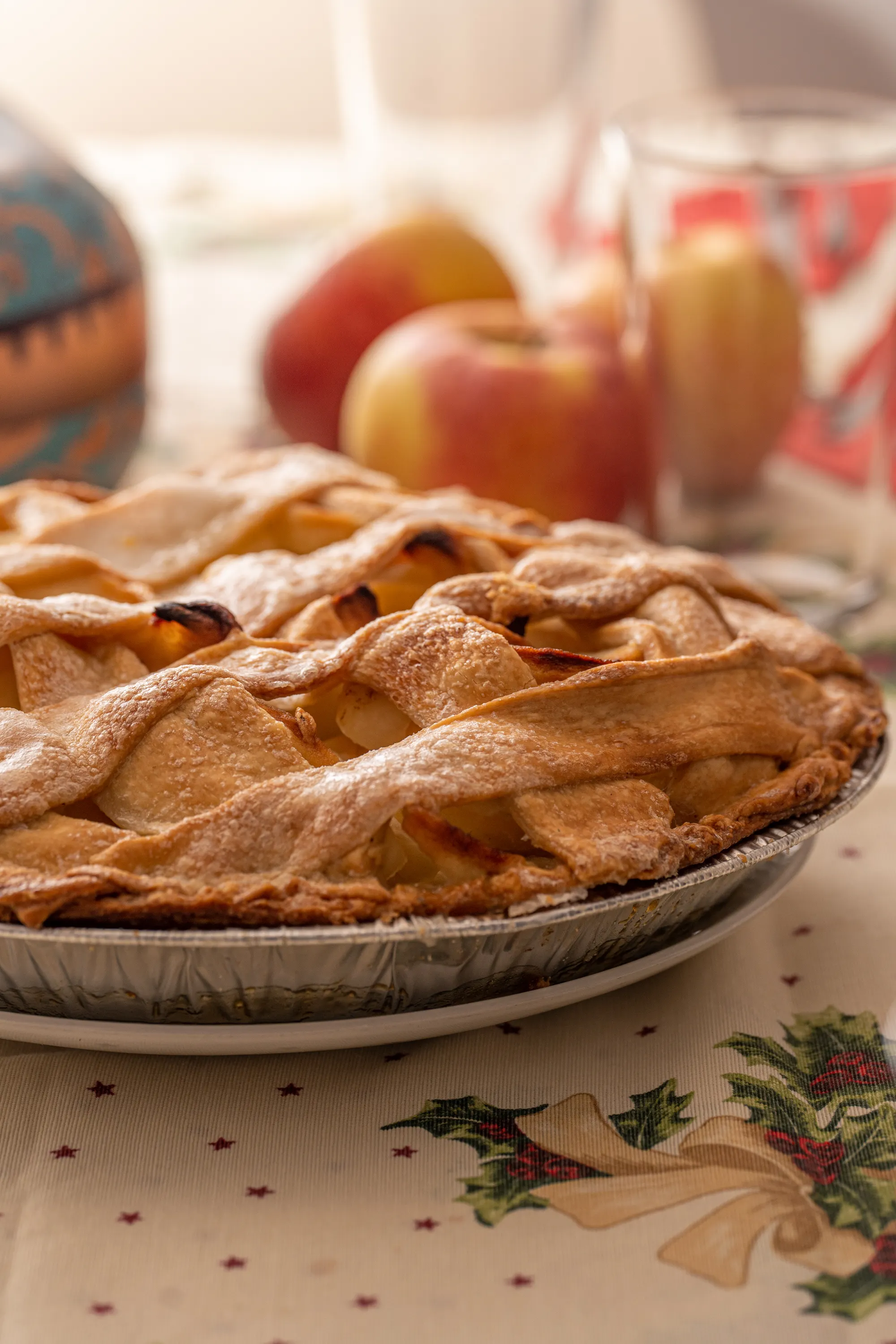
What we bake when the days get short
Apples, spice and the first stollen of the year. Our autumn and winter menu, and when each bake arrives.
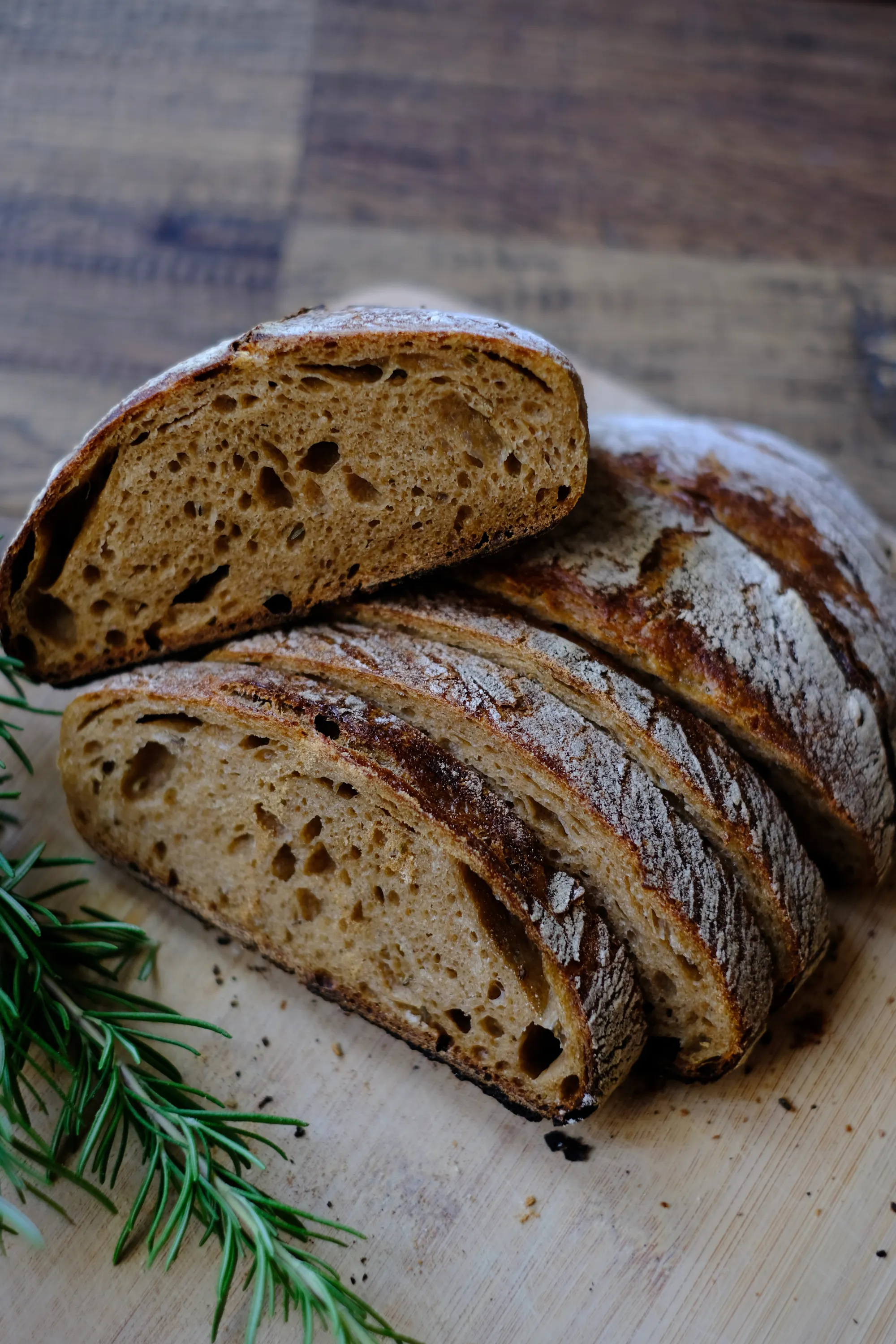
Why our loaves take 36 hours
Time is the one ingredient we never cut. Here is what happens to a country loaf between Tuesday afternoon and Wednesday morning.
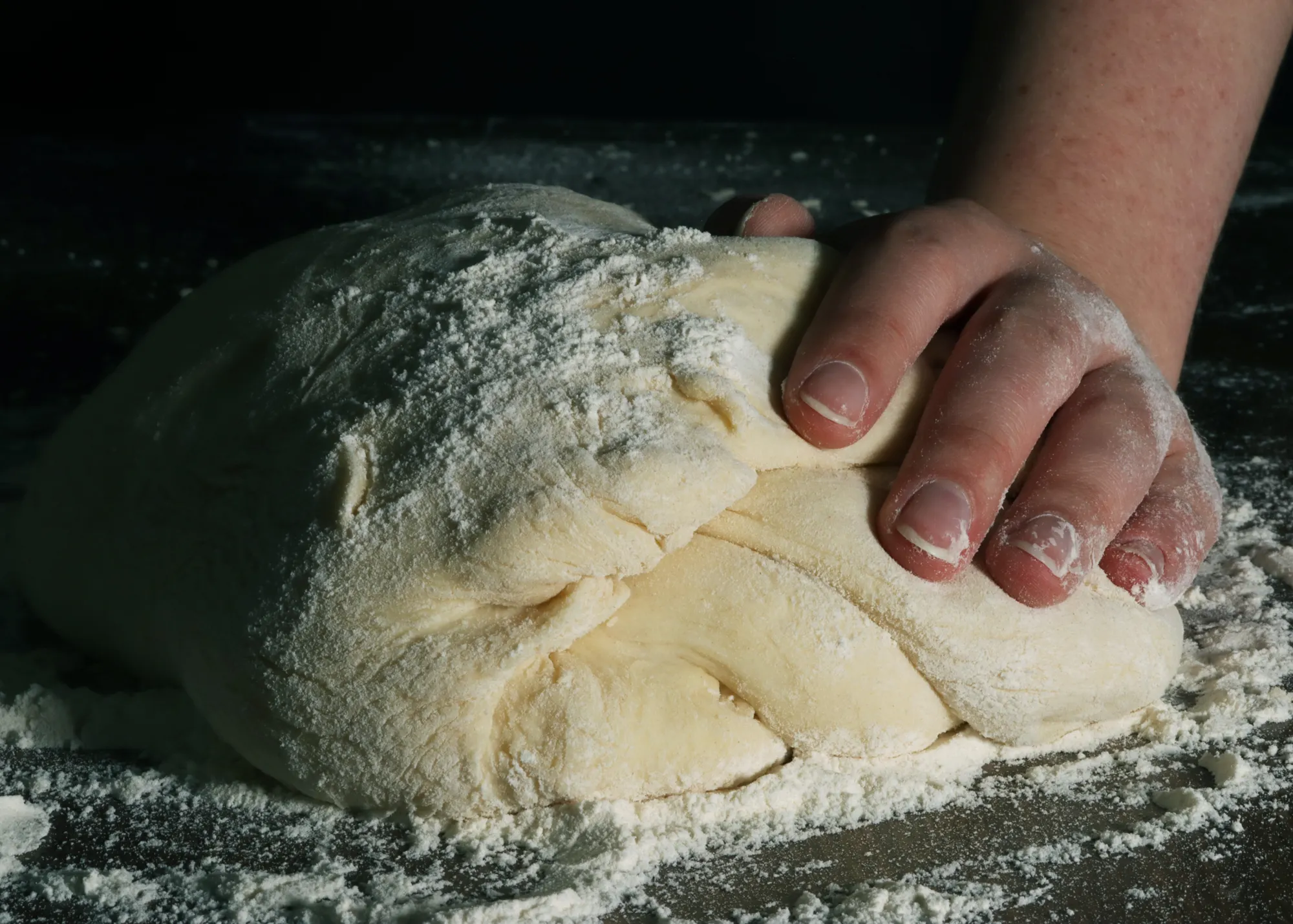
A simple focaccia for home ovens
No starter, no special tools, one large tray. Our weekend focaccia adapted for a home kitchen.